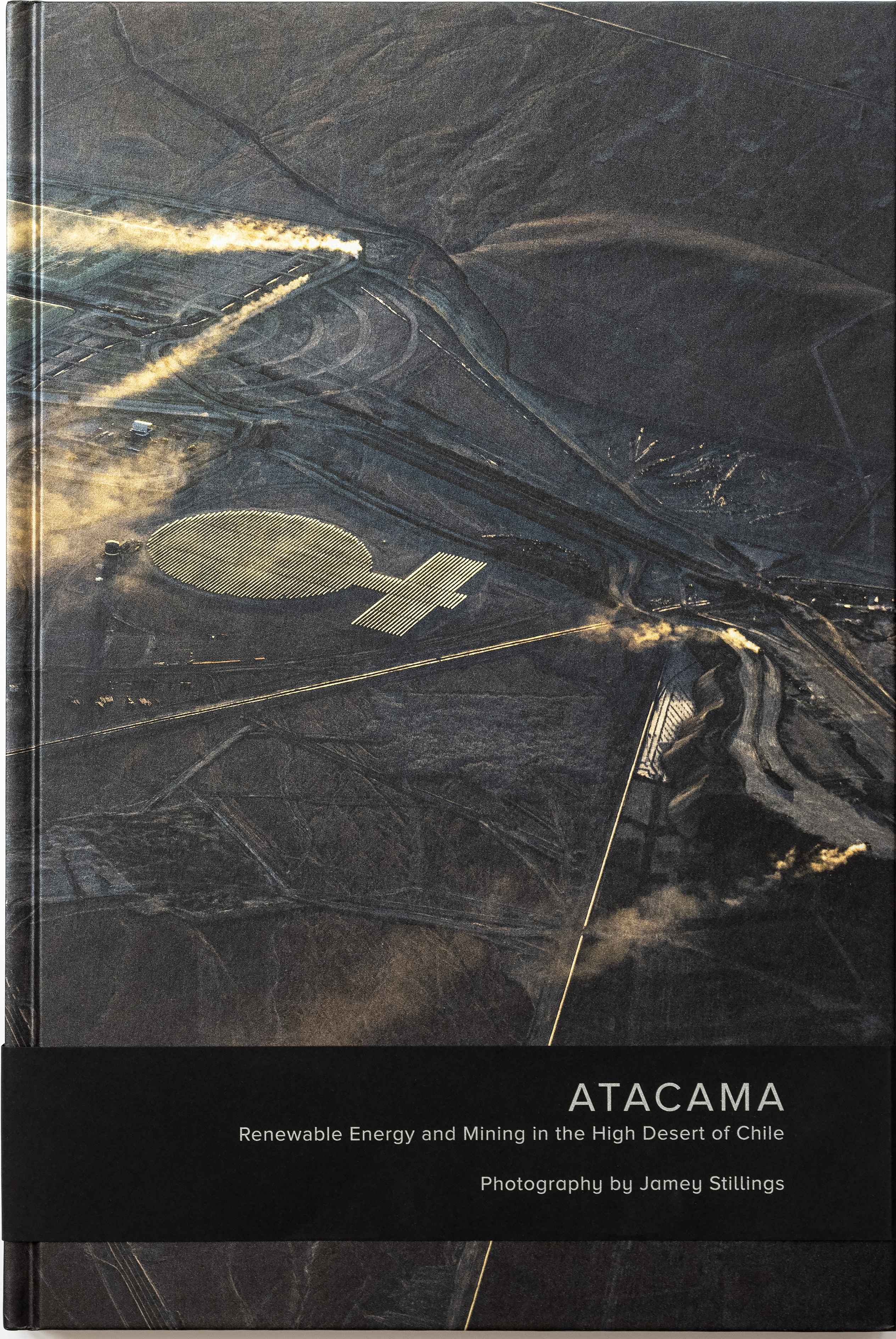
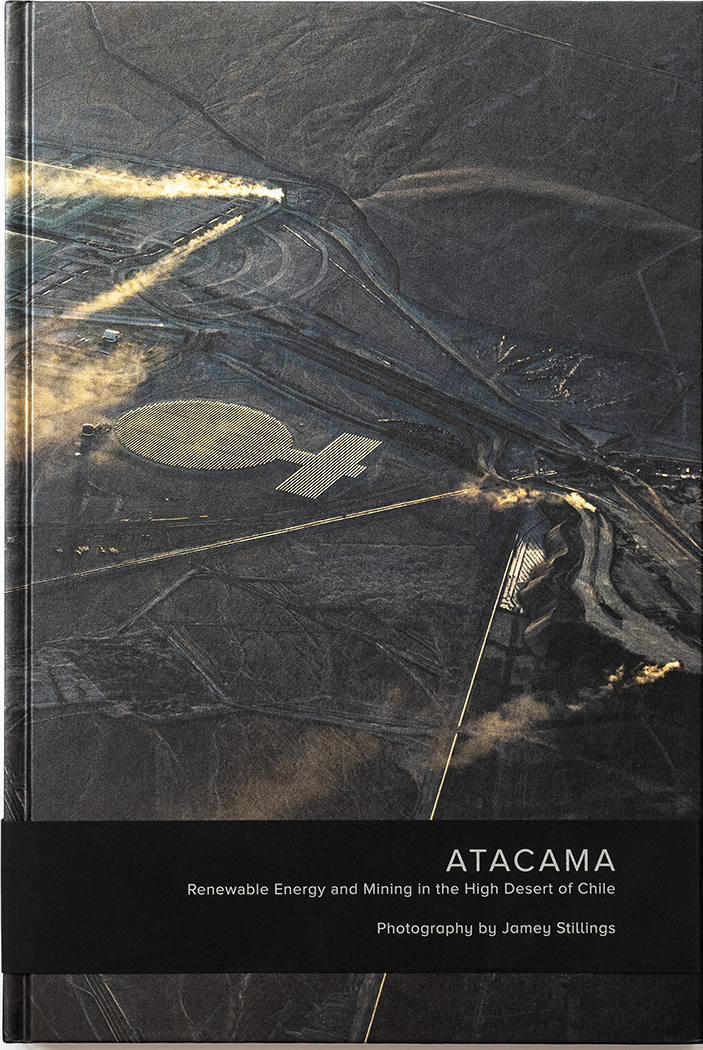
 If you are looking for a unique way to travel without getting in your car or buying a train ticket, then “Atacama,” a new book from Jamey Stillings just might fill your needs. OK. I know this is a book about renewable energy and mining in Chile but stay with me, here.
This is much more than a simple book. Firstly, it is large, at 10×15-inches, and wonderfully produced. Secondly, the images are spectacular. Most importantly, however, it is the message that enables this publication to rise above its peers.
In the Introduction Essay by Mark Sloan, he writes, “Stillings’ work takes on added significance in light of many governments’ denials of the detrimental effects of fossil fuel consumption on the environment. By documenting concerted worldwide efforts to expand renewable energy capacity, he creates almost visceral photographs to reach and inform diverse international audiences. What lessons might we glean from each of these grand experiments?
For many years we have been inundated with news about how the fossil fuel industry has decimated not only landscapes, but also countless lives. At this point we are at the nexus of a future that may well turn that ideology around.
Renewable energy, in the form of solar, wind, geothermal, hydropower and others have opened the door to much research and even the hope of a much less dependance on fossil fuels in the future. Perhaps this is what makes the Atacama project so compelling. It is situated on a vast Chilean high desert, with little or no vegetation to obscure it nakedness. “Over time, water and wind have shaped this land, and rain, though rare, often suggests itself as its dominant sculptor.”
The plates are spectacular and compelling in and of themselves as works of art in their own right. Stillings captures much more than can be seen with our somewhat limited, grounded (literally) viewpoint. Images made from the cockpit of a small Cessna 210, illustrate that there is little to be left for the imagination to ingest. It is right there, in front of and all around you, unveiled and stark. Only the shifting sands, which are agitated by the persistent presence of gusty winds suggest that not all is stagnant.
“Upon this striking geoscape, humankind imposes its will. Immense open-pit mines account for a third of the world’s copper production. Brine in evaporation ponds of lithium mines will eventually power our computers and smartphones,” Stillings writes in his Statement. “Vast solar and wind energy projects generate electricity for Chilean industry, commerce, and culture. From an aerial perspective, humankind’s erratic stewardship of this land reveals the lasting scars of our desires, demands, and ignorance.”
Throughout our existence on this planet, while humankind has enabled tremendous growth in many areas, we have also done a tremendous disservice to the lands we call home. Raping and pillaging may sound extreme but that is what has been done to too many geographical landscapes as mountains are leveled and pits are dug, leaving waste and shameful scars.
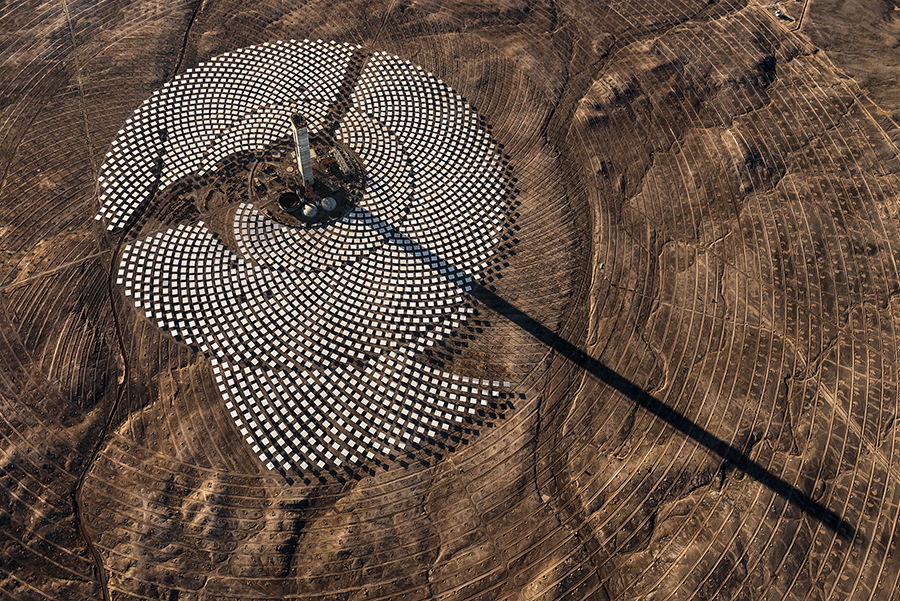 American environmentalist, Paul Hawken, writes in his Foreword, “Through the images presented here, may this remarkable and unique landscape inspire us to grasp the multi-layered paradoxes of our time. There is something arresting about Jamey Stillings’ Atacama Desert series that captures the imagination. These photographs remind us what is vital on this earth, and in doing so, deepen our dedication to shaping a healthy and abundant story for future generations.”
There is much to be hopeful for about the future of our existence in this place we call home. With so many people like Jamey Stillings, Paul Hawken, environmentalist Sergio Missana, and many others conducting research and illustrating what can be done so that we can be assured that the tide can be turned and we can leave something positive behind for your children and mine.
In Missana’s essay he offers, “Jamey Stillings’ images offer an eloquent exploration of many crossroads, contrasts, and contradictions. Through them, we may contemplate a kind of superimposition, between the entropic “disorder” of nature and the order of reason, between the geological past and the technological present. The land that has been trawled over by mining operations, the landscape that has been intervened, allows us to see the magnitude of our arrogance. Stillings’ camera documents the scars that are visible and alludes to other, deeper ones.”
This is a very worthy book in so many ways and whether or not you find a place for it on your bookshelf (and you should), you can leave it on your coffee table for others to see. That is how the best ideas spread, from your mouth to my ears to another’s ears, etc.
For additional information, click here.